
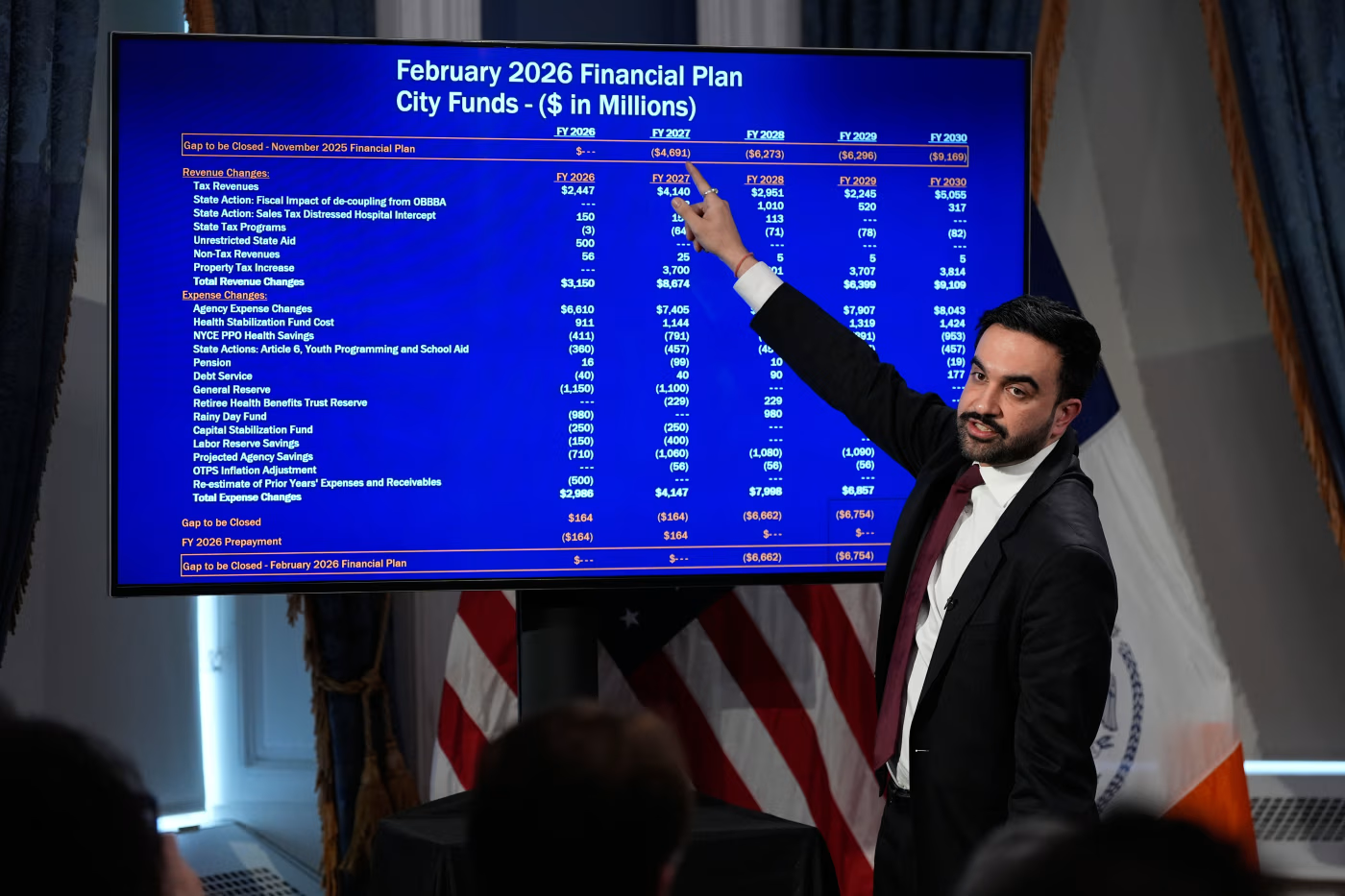
New York City Mayor Zohran Mamdani discusses city finances on February 17, 2026. (Seth Wenig/AP)
In November 2025, Democrat Zohran Mamdani defeated independent former Governor Andrew Cuomo and Republican Curtis Sliwa to win the New York City mayoral election. Mamdani took office on January 1, 2026, receiving mixed reactions from the public, drawing both praise and criticism. As mayor, Mamdani has said his main focus will be on addressing affordability issues in New York City.
On February 17, Mandani revealed a $127 billion budget proposal for the next fiscal year, which begins in July. As part of this plan, Mamdani is relying largely on a 9.5 percent increase in the city’s property taxes, which he hopes will close an estimated $5.4 million gap in revenue across the next two fiscal years. The tax increase would apply to a group of New Yorkers with a median household income of $122,000, who own more than 3 million residential units in the city. If enacted, this will be the first time New York City has increased property taxes since the financial crisis following the 9/11 attacks in 2001. In addition to increasing property taxes, Mamdani has proposed drawing $1.2 billion from the city’s “rainy day” fund and retiree health care reserves. Reflecting on these proposals, Mamdani told reporters, “This is something that we do not want to do, and this is something that we are going to utilize every single option to ensure it does not come to pass.” Mamdani’s original funding plan to raise taxes on millionaires and major corporations can only be enacted by the New York State government, which has so far resisted his proposal. Mamdani has called this current proposal “painful” and a “tool of very last resort,” expressing hope that his administration can work with the New York government to enact tax hikes on extremely wealthy residents before having to put the property tax into action.
Mamdani’s proposed property tax increase would affect government operations and have broad implications for New Yorkers. Raising property taxes will increase tax revenues, which can be used to balance the budget. However, a December study by the Federal Reserve Bank of Philadelphia found that for every $1 increase in property taxes, landlords pass between $0.50 and $0.89 of the cost on to tenants through higher rents.
Mamdani’s proposal to balance the city’s budget with higher property taxes has faced criticism from many New Yorkers and politicians from both sides of the political aisle. Democratic Governor Kathy Hochul has criticized Mamdani’s proposal, telling reporters, “I’m not supportive of a property tax increase. I don’t know that that’s necessary, but let’s find out what is really necessary to close that gap.” New York City Council Speaker Julie Menin, also a Democrat, joined Hochul in opposing the proposal, stating, “At a time when New Yorkers are already grappling with an affordability crisis, dipping into rainy day reserves and proposing significant property tax increases should not be on the table whatsoever.”
Republican Representative Nicole Malliotakis, representing New York’s 11th Congressional District, which encompasses Staten Island and parts of Southern Brooklyn, has also pushed back against Mamdani’s tax proposal, stating, “Instead of further treating New York taxpayers like ATMs and driving out more families from our city, Mayor Mamdani should cut the bloat, slash the waste, and abandon the Marxism and misguided policies he has planned.”
Ann Korchak, the board president of Small Property Owners of New York, stated, “Owners of small rental properties are sick and tired of being treated like ATM machines every time the city needs to balance the budget. The mayor has declared war on thousands of immigrant property owners, most of them multigenerational families, who have their entire life savings invested in their small buildings.”
