
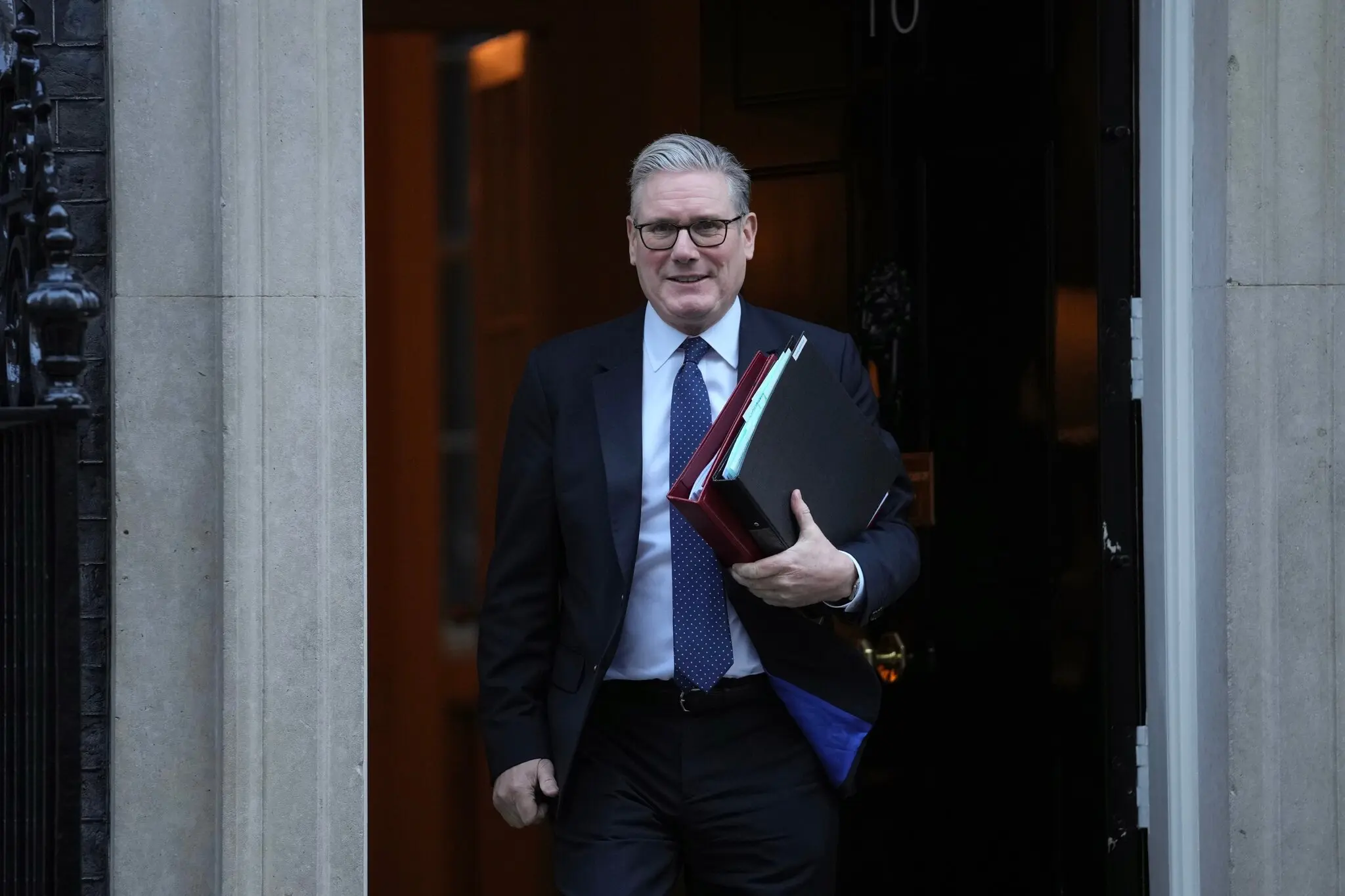
British Prime Minister Keir Starmer, a major proponent of the ‘BritCard.’ (Kin Cheung/Associated Press)
The British Government under Prime Minister Keir Starmer and the Labour Party has proposed a new, mandatory, universal digital ID for all workers in the United Kingdom.
The Government stated in a press release that the goal of the ID is to “combat illegal working while making it easier for the vast majority of people to use vital government services.” However, debate has arisen from various figures across the political spectrum.
Starmer announced plans for a nationwide digital ID system for all workers in the United Kingdom on September 26, 2025. The system would include a digital identification card, which many are calling the “BritCard.” The ID is intended to facilitate access to government services by bypassing paper records. Specifically, the government stated in a press release that the goal of the ID is to “combat illegal working while making it easier for the vast majority of people to use vital government services.” The proposal was brought forth primarily due to growing concerns about illegal immigration into the United Kingdom.
Since it has been announced, the BritCard has received both support and criticism from all sides of the political spectrum. Support for the BritCard primarily comes from the government itself, with Labour Secretary of State for Work and Pensions Pat McFadden arguing, “people shouldn’t be able to come to the UK and work illegally if they don’t have a right to work.” In addition, David Blunkett, former Home Secretary under the Labour Party, has publicly supported the BritCard, saying its “time has come.” Blunkett has noted that the new system “will have to be truly universal – consolidating a whole range of digital documentation used in everyday life.” Additional support has been expressed by some Conservative MPs, including Chris Philp, the Shadow Home Secretary, who stated in an interview, “I think any government of this country has to be prepared to do whatever it takes to protect our borders from illegal migration…it is certainly something we should be considering very carefully.”
The proposal has also received criticism from various figures across the political spectrum. Nigel Farage, leader of Reform UK, accused the government of overreaching its power, stating, “the state can control every single aspect of your life.” In addition to Farage, the Liberal Democratic Party posted a petition form on its website denouncing the proposal and, like Farage, cites “government overreach” as its primary grievance. Furthermore, a petition has been issued to Parliament with over 2.9 million signatures, claiming the new system is “a step towards mass surveillance and digital control.” Further opposition has come from within Labour itself, with the MP for Walthamstow Stella Creasy warning that it undermines civil liberties. Creasy reasons, “This government should be spending its time and money on tackling the real issues people face, not creating a digital ID system that threatens privacy and does little to stop illegal working.”
Despite the current debate, polling from Ipsos indicates that 57% of British adults support Starmer’s BritCard proposal, with 24% undecided and 19% opposing. The largest support for the BritCard comes from British adults over 55, with 66% in support. The polling also reveals underlying skepticism, with around a third of the British public being concerned about their personal data being used without permission.
Regarding the petition to Parliament, the government has reiterated its commitment to expanding digital verification and IDs. However, they have changed their tone on the BritCard, stating that it will be one of several options for workers to prove they have a right to work.
